


Cinnabar
Physical Properties
Chemical Composition: Mercury sulfide (HgS).Color: Bright red to dark red, with metallic streaks.
Hardness: 2–2.5 on the Mohs scale (very soft and fragile).
Luster: Adamantine (brilliant) to dull, depending on the specimen.
Density: Exceptionally heavy due to its mercury content.
Origin:
Found in places like China, Peru, and Spain.
Characteristics:
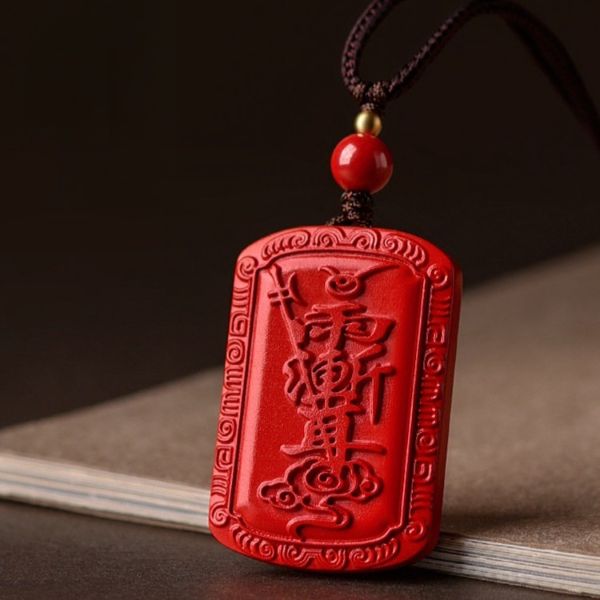
Cinnabar, containing mercury, is somewhat toxic, so it's no longer suitable for prolonged contact. In ancient China, it was used in amulets, religious items, and traditional medicine. Its striking red color still holds decorative and collectible value. Modern coating and sealing technologies allow natural cinnabar to be used safely by encasing it in protective layers, preventing mercury from being released.
Uses and Historical Significance
Jewelry and Carvings: In ancient China, cinnabar was often carved into intricate designs for ornaments and seals.
Alchemy and Medicine: Historically believed to have mystical properties, it was used in traditional medicine, though modern science highlights its toxicity.
Spiritual and Metaphysical Properties
Symbolism: Associated with vitality, transformation, and energy.
Metaphysical Beliefs:
Enhances personal power and clarity.
Linked to grounding and spiritual transformation.
Warnings: Due to its mercury content, prolonged handling is discouraged.
Safety and Care Instructions
Handling: Avoid direct contact with bare skin or inhaling cinnabar dust. Always wash hands after touching it.Storage: Store in a secure, dry place to avoid accidental exposure.
Cleaning: Use a soft, dry cloth to clean carvings or specimens; never use water or abrasives.
Interesting Facts
- Cultural Legacy: In ancient China, cinnabar was revered as a sacred mineral used in Taoist alchemy to create "elixirs of immortality."
- Natural Formation: Found near volcanic activity and hot springs, cinnabar deposits often accompany other minerals like quartz and calcite.
- Modern Precautions: Though cinnabar is beautiful, its mercury content means it is not commonly used in modern jewelry or decorative items.
Cinnabar in Art and Jewelry
While cinnabar itself is rarely used today, replicas and safe synthetic materials mimic its vibrant appearance. Consider offering cinnabar-inspired pieces crafted from safe materials, emphasizing its rich cultural history and symbolism.


