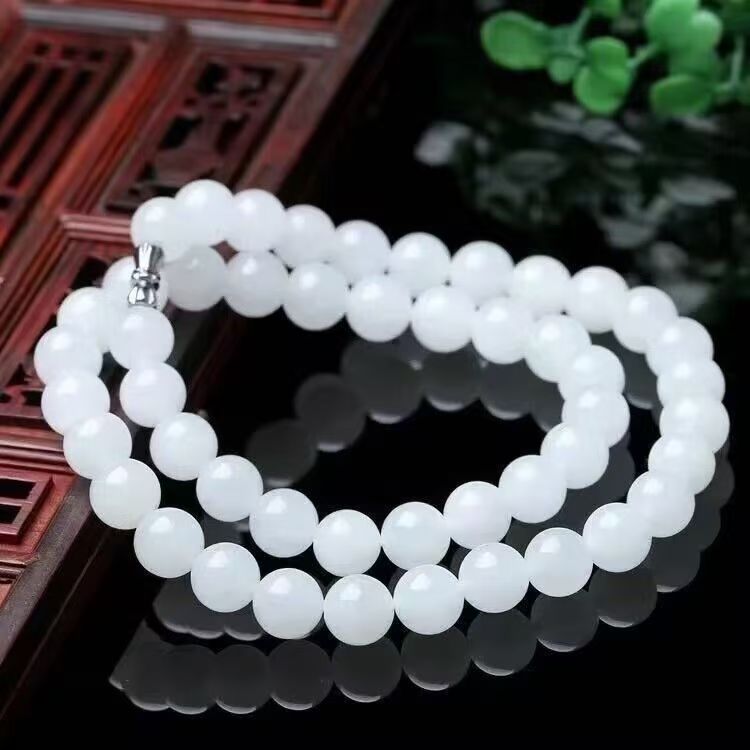
Hetian Jade
Physical Properties
Type: Nephrite Jade (a variety of jadeite and nephrite).Color: Typically white, with variations in shades of green, gray, and sometimes light yellow.
Hardness: 6–6.5 on the Mohs scale, making it relatively tough and ideal for carving.
Luster: Waxy to vitreous, with a smooth and silky texture.
Specific Gravity: 2.9–3.1, similar to other nephrites.
Origin:
Mainly from Hetian in Xinjiang, China.
Characteristics:
Hetian jade has a delicate texture and unique oily luster. Its soft and warm appearance, especially in white jade, is highly valued in Chinese culture.
Cultural and Historical Significance
Symbolism: In Chinese culture, Hetian jade is often viewed as a symbol of nobility, wisdom, and moral integrity. It was frequently used in the making of ceremonial objects, including imperial seals, jewelry, and religious items.
Regarded as the "King of Jades": Hetian jade was historically considered the most prized type of jade, particularly for the imperial family, due to its texture and rarity. The jade was once so highly esteemed that it was referred to as the "stone of emperors."
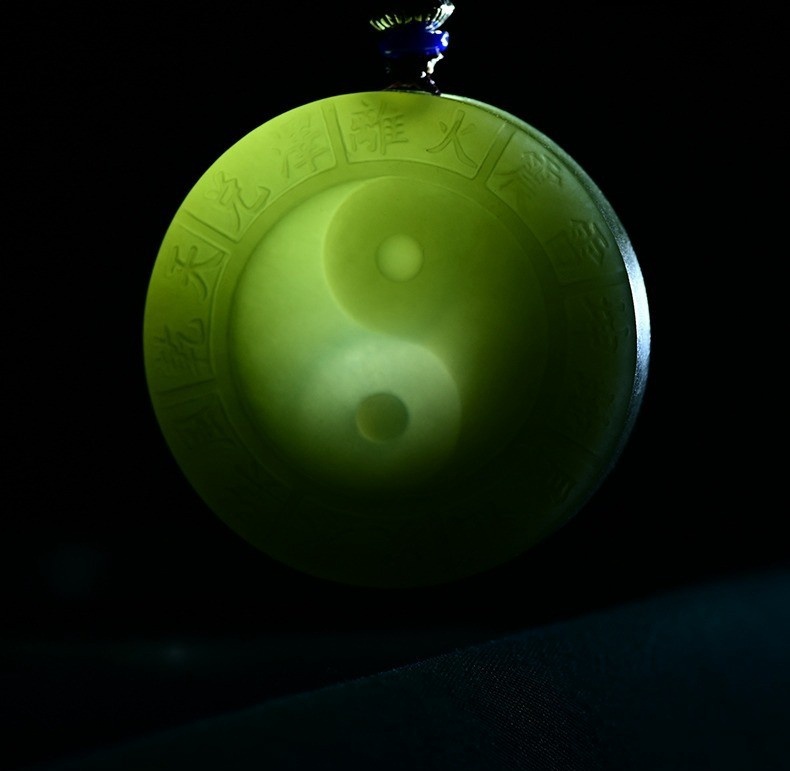
Metaphysical Properties
Healing and Protection: Hetian jade is believed to have strong protective and healing properties. It is thought to bring peace and calmness to the wearer, ward off evil spirits, and offer emotional balance.Spiritual Significance: It is also associated with wisdom, inner peace, and spiritual growth, often used in meditation and Feng Shui practices.
Care Instructions
Cleaning: Wipe with a soft cloth to preserve its waxy luster. Avoid using harsh chemicals or ultrasonic cleaners.Storage: Store in a soft pouch or box to prevent scratches from harder materials.
Interesting Facts
- Scarcity and Value: True Hetian jade is highly prized due to its scarcity, and high-quality pieces can command high prices at auctions and in private sales.
- Jade and China’s History: Hetian jade has a longstanding cultural significance, often regarded as more valuable than gold. It has been revered by scholars, artists, and emperors alike.
- Modern Appeal: Today, Hetian jade continues to be highly sought after in both China and internationally, with many collectors eager to own rare and finely crafted pieces of jewelry, carvings, and other artifacts made from this precious stone.
Hetian Jade in Jewelry
Hetian jade is frequently used in fine jewelry, including necklaces, rings, bracelets, and earrings, due to its smooth texture and aesthetic appeal.The jade is often set in gold or silver, with intricate carvings or polished to a high sheen, highlighting its soft color and unique grain.