


Jade
Types of Jade
Jadeite:
Rarer and more valuable.
Found in colors like green, lavender, yellow, white, and even black.

Nephrite:
More common but equally revered.
Comes in creamy white (mutton fat jade) and shades of green, gray, and brown.
Known for its durability and waxy luster.
Physical Properties
Luster: Waxy to vitreous.
Density: High specific gravity, making jade feel heavier than most stones of the same size.
Origin:
Mainly from Myanmar; it's one of the most popular gemstones in the market, known as the “King of Jade.”
Characteristics:
Rare, vibrant colors with high transparency make jadeite particularly valuable. Its hardness and brilliant colors make it ideal for high-end jewelry.
Cultural and Historical Significance
Mesoamerica: Associated with life and fertility, jade was used in ceremonial masks and jewelry.
Maori Culture: Nephrite jade (pounamu) is a sacred stone in New Zealand, crafted into heirloom pendants and weapons.
Metaphysical Properties
Healing: Believed to promote emotional balance, harmony, and protection.Luck: Often carried as a talisman for good fortune and prosperity.
Spiritual Connection: Said to enhance meditation and spiritual insight.
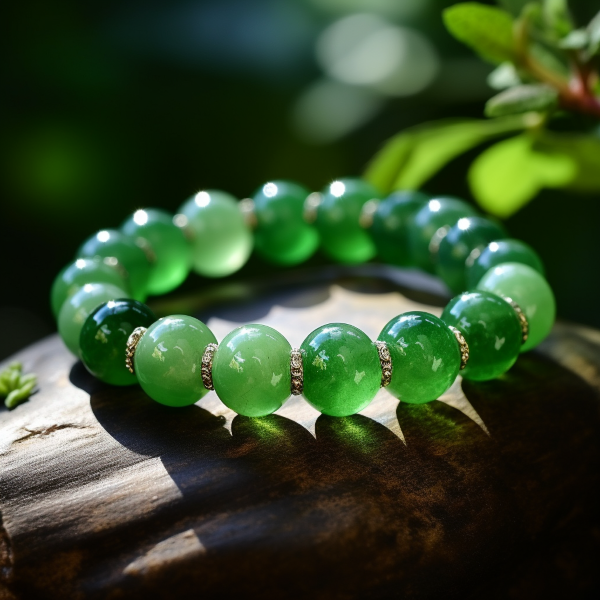
Care Instructions
Cleaning: Wipe with a soft cloth or use mild soapy water. Avoid harsh chemicals.
Storage: Store in a soft pouch or cloth to avoid scratches.
Interesting Facts
- The Chinese saying, "Gold has a price, but jade is priceless," highlights its unmatched value in culture.
- Jade is often carved into intricate designs, such as dragons, flowers, or symbolic amulets.
- Modern jadeite is primarily sourced from Myanmar (Burma), while nephrite is found in China, New Zealand, and Russia.


